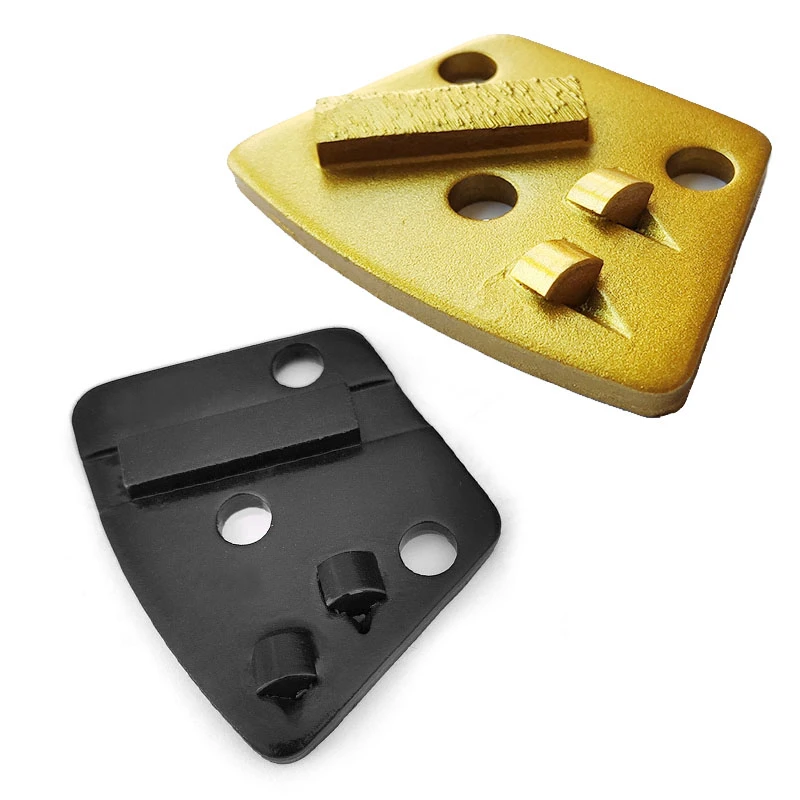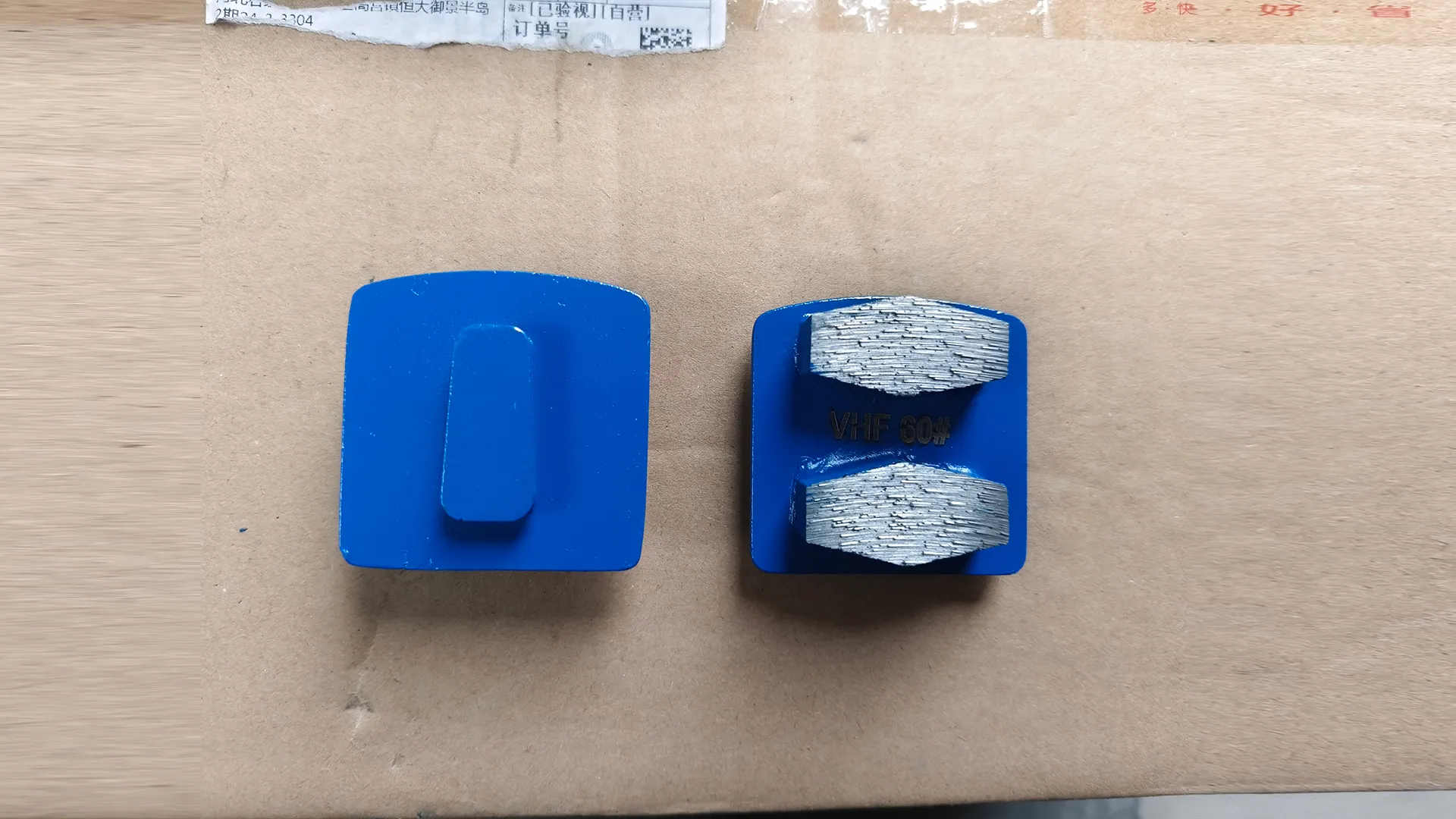


concrete buffing pads
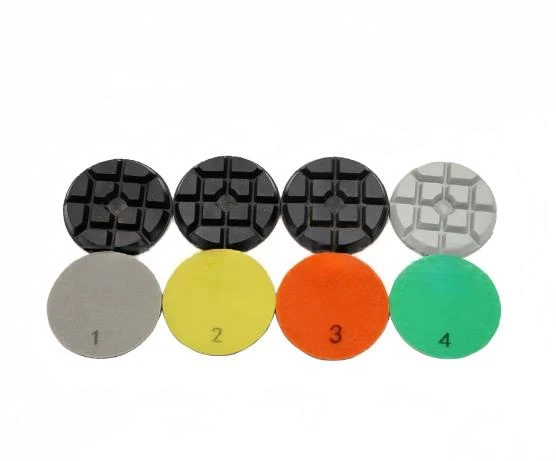
When it comes to achieving flawless surfaces on stone and concrete, wet polishing pads have long been the industry’s top choice. Delivering high-gloss finishes with minimal heat generation and superior longevity, these tools are essential for professionals demanding quality results. From restoring weathered granite to smoothing freshly poured concrete, wet concrete polishing pads and specialized tools like 4 in jhx wet diamond polishing pads for granite concrete outperform competitors where it matters most. Let’s dive deep into their water dynamics, material compatibility, and technical superiority. How Water Flow Rate Influences Wet Polishing Pads Performance A critical factor that determines the effectiveness of wet polishing pads is water flow rate. Water acts as a lubricant and cooling agent during polishing, reducing friction between the pad and the surface. A consistent flow of water prevents overheating, which not only extends the life of the pad but also protects delicate materials like marble or granite from burning or discoloration. Too little water can cause the pad to overheat, resulting in resin transfer and uneven finishes. Conversely, excessive water can wash away polishing debris too quickly, reducing pad friction and making it harder to achieve the desired gloss. In professional setups, water flow is often calibrated for optimal slurry retention—where debris from polishing helps enhance the mechanical polishing effect without scratching. Modern systems that pair with wet concrete polishing pads often include adjustable valves and direct water channels, allowing technicians to fine-tune flow for different stages of grit progression. In delicate stone polishing, such control ensures deep shine with reduced labor and time. Wet vs. Dry Polishing Pads: What's the Difference? While both tool types aim to refine stone or concrete, wet polishing pads and dry pads are built for different environments and results. Wet polishing pads use water to reduce friction and heat, making them ideal for prolonged use and heat-sensitive materials like marble or soft limestone. They produce a high-gloss finish with fewer swirl marks and offer longer working life due to decreased resin wear. Dry pads, on the other hand, are better suited for jobs where water use is restricted or mobility is paramount. However, they often require more frequent replacement and careful speed control to avoid resin burn. In contrast, 4 in jhx wet diamond polishing pads for granite concrete are designed to maintain their form and effectiveness through prolonged wet operation, giving stone finishers professional-grade reliability. Furthermore, wet polishing pads are more environmentally and workspace friendly. Water suppresses dust that is otherwise released during dry polishing, making the work area safer and cleaner—an essential benefit for indoor projects or confined spaces. Wet Polishing Pads on Marble and Granite: Superior Finish Guaranteed Marble and granite, with their unique grains and hardness, require precision tools for polishing—and this is where wet polishing pads excel. Unlike abrasive wheels or low-quality buffing discs, these pads are embedded with industrial-grade diamonds that, combined with water flow, cut into the stone smoothly without damage. When working on granite, the pad’s ability to manage friction is especially important due to the material’s density. The result is a deep, mirror-like polish that enhances natural veining and color tones. 4 in jhx wet diamond polishing pads for granite concrete are specifically engineered to tackle the hardness of granite while adapting to its slight unevenness, producing a consistent finish even at edges and corners. Marble, while softer, is highly sensitive to heat and scratching. With proper grit progression—starting from 50 and moving up to 3000— wet concrete polishing pads gently restore its natural luster. The use of water ensures no burning or cloudy patches, leaving the surface vibrant and smooth. Wet Polishing Pads: Material Construction and Factory Quality Standards Not all wet polishing pads are created equal. The best pads feature a combination of soft yet durable resin, evenly distributed diamond abrasives, and reinforced flexible backings. These features ensure a balance between cutting strength and surface adaptability. Pads from a trusted wet polishing pads factory undergo rigorous testing for diamond grit placement, pad thickness, heat resistance, and bonding strength. High-end manufacturers also test pads on multiple substrates to confirm universal performance. A well-made pad will have uniform wear, clear grit indicators, and minimal discoloration after use. In particular, 4 in jhx wet diamond polishing pads for granite concrete are widely known for their professional-grade materials, precise engineering, and multi-surface adaptability. Sourced from a reputable wet polishing pads factory , these pads offer exceptional durability and efficiency—an investment that pays off in long-term productivity. Wet Polishing Pads FAQs How much water should I use with wet polishing pads ? A moderate, steady flow is best. Too much water washes away helpful slurry, while too little can cause overheating. Adjust flow depending on material and pad grit. Are wet concrete polishing pads safe to use indoors? Yes. Wet concrete polishing pads reduce airborne dust, making them safer for indoor use. Just ensure proper drainage or containment for the water used. Can I use 4 in jhx wet diamond polishing pads for granite concrete on marble? Absolutely. These pads are designed for granite and concrete but perform equally well on marble, offering fine control and a brilliant finish. What is the difference between pads from a local brand and a wet polishing pads factory ? Pads from a certified wet polishing pads factory offer better material consistency, superior bonding, and longer lifespan due to quality-controlled manufacturing processes. Do wet polishing pads work better than dry ones for glossy finishes? Yes. Wet polishing pads typically achieve a higher gloss with fewer marks, especially on dark or heat-sensitive stones, thanks to cooling water flow and fine diamond grit.
-
 30000M2Floor Space
 -
 100+Team size
 -
 20+Production experience
 -
 120+Export Countries
concrete buffing pads
When it comes to achieving flawless surfaces on stone and concrete, wet polishing pads have long been the industry’s top choice. Delivering high-gloss finishes with minimal heat generation and superior longevity, these tools are essential for professionals demanding quality results. From restoring weathered granite to smoothing freshly poured concrete, wet concrete polishing pads and specialized tools like 4 in jhx wet diamond polishing pads for granite concrete outperform competitors where it matters most. Let’s dive deep into their water dynamics, material compatibility, and technical superiority. How Water Flow Rate Influences Wet Polishing Pads Performance A critical factor that determines the effectiveness of wet polishing pads is water flow rate. Water acts as a lubricant and cooling agent during polishing, reducing friction between the pad and the surface. A consistent flow of water prevents overheating, which not only extends the life of the pad but also protects delicate materials like marble or granite from burning or discoloration. Too little water can cause the pad to overheat, resulting in resin transfer and uneven finishes. Conversely, excessive water can wash away polishing debris too quickly, reducing pad friction and making it harder to achieve the desired gloss. In professional setups, water flow is often calibrated for optimal slurry retention—where debris from polishing helps enhance the mechanical polishing effect without scratching. Modern systems that pair with wet concrete polishing pads often include adjustable valves and direct water channels, allowing technicians to fine-tune flow for different stages of grit progression. In delicate stone polishing, such control ensures deep shine with reduced labor and time. Wet vs. Dry Polishing Pads: What's the Difference? While both tool types aim to refine stone or concrete, wet polishing pads and dry pads are built for different environments and results. Wet polishing pads use water to reduce friction and heat, making them ideal for prolonged use and heat-sensitive materials like marble or soft limestone. They produce a high-gloss finish with fewer swirl marks and offer longer working life due to decreased resin wear. Dry pads, on the other hand, are better suited for jobs where water use is restricted or mobility is paramount. However, they often require more frequent replacement and careful speed control to avoid resin burn. In contrast, 4 in jhx wet diamond polishing pads for granite concrete are designed to maintain their form and effectiveness through prolonged wet operation, giving stone finishers professional-grade reliability. Furthermore, wet polishing pads are more environmentally and workspace friendly. Water suppresses dust that is otherwise released during dry polishing, making the work area safer and cleaner—an essential benefit for indoor projects or confined spaces. Wet Polishing Pads on Marble and Granite: Superior Finish Guaranteed Marble and granite, with their unique grains and hardness, require precision tools for polishing—and this is where wet polishing pads excel. Unlike abrasive wheels or low-quality buffing discs, these pads are embedded with industrial-grade diamonds that, combined with water flow, cut into the stone smoothly without damage. When working on granite, the pad’s ability to manage friction is especially important due to the material’s density. The result is a deep, mirror-like polish that enhances natural veining and color tones. 4 in jhx wet diamond polishing pads for granite concrete are specifically engineered to tackle the hardness of granite while adapting to its slight unevenness, producing a consistent finish even at edges and corners. Marble, while softer, is highly sensitive to heat and scratching. With proper grit progression—starting from 50 and moving up to 3000— wet concrete polishing pads gently restore its natural luster. The use of water ensures no burning or cloudy patches, leaving the surface vibrant and smooth. Wet Polishing Pads: Material Construction and Factory Quality Standards Not all wet polishing pads are created equal. The best pads feature a combination of soft yet durable resin, evenly distributed diamond abrasives, and reinforced flexible backings. These features ensure a balance between cutting strength and surface adaptability. Pads from a trusted wet polishing pads factory undergo rigorous testing for diamond grit placement, pad thickness, heat resistance, and bonding strength. High-end manufacturers also test pads on multiple substrates to confirm universal performance. A well-made pad will have uniform wear, clear grit indicators, and minimal discoloration after use. In particular, 4 in jhx wet diamond polishing pads for granite concrete are widely known for their professional-grade materials, precise engineering, and multi-surface adaptability. Sourced from a reputable wet polishing pads factory , these pads offer exceptional durability and efficiency—an investment that pays off in long-term productivity. Wet Polishing Pads FAQs How much water should I use with wet polishing pads ? A moderate, steady flow is best. Too much water washes away helpful slurry, while too little can cause overheating. Adjust flow depending on material and pad grit. Are wet concrete polishing pads safe to use indoors? Yes. Wet concrete polishing pads reduce airborne dust, making them safer for indoor use. Just ensure proper drainage or containment for the water used. Can I use 4 in jhx wet diamond polishing pads for granite concrete on marble? Absolutely. These pads are designed for granite and concrete but perform equally well on marble, offering fine control and a brilliant finish. What is the difference between pads from a local brand and a wet polishing pads factory ? Pads from a certified wet polishing pads factory offer better material consistency, superior bonding, and longer lifespan due to quality-controlled manufacturing processes. Do wet polishing pads work better than dry ones for glossy finishes? Yes. Wet polishing pads typically achieve a higher gloss with fewer marks, especially on dark or heat-sensitive stones, thanks to cooling water flow and fine diamond grit.
-
30000M2Floor Space
-
100+Team size
-
20+Production experience
-
120+Export Countries